Table of Content
Pre-pay for multiple images and download on demand.
Table of Content
Mild stiffness and pain can often be relieved with around 15 to 20 minutes of heat therapy. For more intense pain, use longer sessions, like a warm bath or warm compress, lasting between 30 minutes and two hours. Use an ice pack on a sore neck for the first 48 to 72 hours after pain starts in intervals of 15 minutes to 30 minutes, repeating several times a day. A number of alternative treatments might ease back pain. Always discuss the benefits and risks with your health care provider before starting a new alternative therapy. Try to sleep with your head and neck aligned with your body.

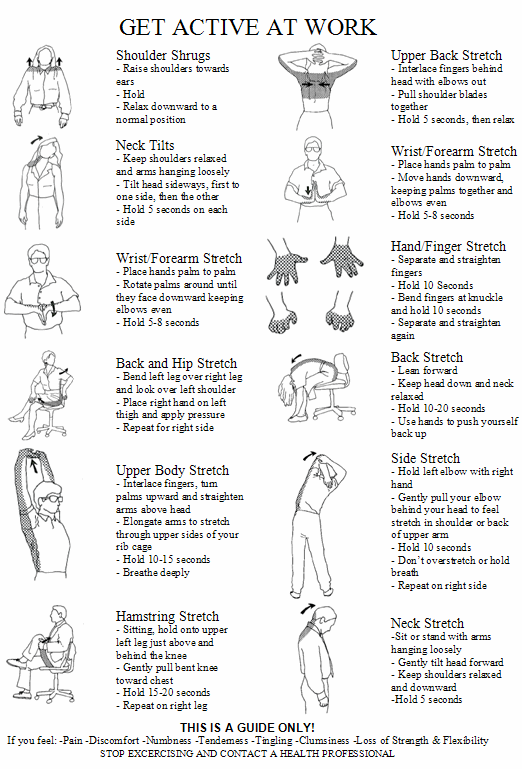
For example, while working in the office, get up every hour and move your neck slightly, following the exercises noted earlier. Here are the vitamins you should consider adding to your lifestyle and eating if you have neck pain. This is a very useful ‘asana’ for relieving neck and shoulder pain. For better results, do this exercise every few hours for a few days. Neck ligaments are also responsible for neck stiffening due to lack of physical activity, a prolonged holding of your neck in an uncomfortable position, etc. These related symptoms are sometimes a result of nerves becoming pinched in the neck.
Research suggests that peppermint, lavender, and eucalyptus essential oils are especially helpful when you have a headache . Sleep deprivation can be detrimental to your health in many ways and may even cause headaches in some people. Additionally, some people are more likely to experience headaches than others. Lie down without a pillow to give your neck muscles a break from working. Exercising and Stretching relieve the tension that builds in the muscles due to excessive and prolonged work. Exercise also Opens Blood Flow channels and thus aiding in the healing process.
This hypersensitivity to odors is called osmophobia and is common in those with chronic migraines . Practicing yoga is an excellent way to relieve stress, increase flexibility, decrease pain, and improve your overall quality of life . Therefore, people who get frequent headaches should be mindful of their caffeine intake .
Your symptoms may even make it hard to get a good night’s sleep. Most of the time, neck pain is temporary, but without proper care, it can become chronic. Here are 11 tips to help relieve headache and neck pain without medication.
It also helps increase the effectiveness of common medications used to treat headaches, such as ibuprofen and acetaminophen . Evidence suggests that magnesium deficiency is more common in people who get frequent migraine headaches than in those who don’t . For example, headaches can result from potentially life threatening conditions, including tumors and blood clots, as well as from traumatic brain injury . Wrap three tablespoons of freshly grated ginger in a piece of cheesecloth. Allow it to cool and then place it on the neck area for 15 to 20 minutes. Turmeric’s curcumin is an important phytochemical that acts like an anti-inflammatory agent and hence helps ease pain.
You can try these steps to do these exercises without actually moving your head. It is also one of the effective home remedies for neck pain that you should follow. You should see a healthcare provider if you or your child develop new headaches or neck pain or if these symptoms occur together. It’s common to have additional symptoms when you experience headaches and neck pain together. Headaches and neck pain are two very common symptoms.
Your neck is made up of muscles and can benefit from stretching, just like many other areas of your body. Many helpful neck stretches can be done sitting or standing, making them easy to accomplish during even a busy day. Stress and anxiety can cause tension to build up in the neck and shoulders. It's possible to have X-ray or MRI evidence of structural problems in the neck without having symptoms. Imaging studies are best used with a careful history and physical exam to determine the cause of pain.
A 2021 review that included 6 studies found that treatment with 30–800 mg of CoQ10 per day was effective for reducing migraine frequency and duration . Studies have shown that taking CoQ10 supplements may be an effective natural way to treat headaches. Cutting histamine-rich foods from the diet may help reduce symptoms such as headaches in people who are sensitive to histamine . Pure Encapsulations Magnesium Citrate is a great choice for people who want to try magnesium for headaches. Interestingly, magnesium has also been shown to be a safe, effective remedy for headaches. People with obesity, those with sleep disorders, those who smoke, and those with high caffeine intake are more at risk of experiencing headaches.
A doctor may refer you to a PT if you need help regaining strength and mobility in your neck after an injury. PTs can also help with chronic pain management and relief, assigning helpful exercises to train your muscles. A stiff neck can be painful and can interfere with your daily activities.
You should lie down without your pillow to give the neck muscles a break. This vinegar has powerful antioxidant and anti-inflammatory properties that can relieve your neck pain quickly. In addition, it also has many important nutrients to remove the possibility of pain related to the deficiency of nutrient. Or you can also use a heating pad, heat wrap, hot towel, and hot water bottle to place over your neck. You nod the head from side to another side to stretch the muscles in the back and front of your neck.
The force of the water on the affected body part will help reduce pain as well as soreness. The cold temperature will help reduce inflammation and alleviate pain. PLUS, the latest news on medical advances and breakthroughs from Harvard Medical School experts. If you wake up with a stiff neck, you're likely experiencing a muscle spasm, or contraction. A neck sprain affects the ligaments, or tough tissues that connect and stabilize your bones. Tendinitis — inflammation in the tissue that attaches muscle to bone and controls movement — is another contributing factor for neck pain.
Consider adjusting your sleeping position, or trying a new pillow, if you find yourself consistently waking up with a sore or stiff neck. Stress can cause you to tense the muscles in your neck, shoulders, and back. Reducing stress can help treat and prevent neck pain and stiffness. Apple A Day Keeps The Doctor AwayBoth apples and apple cider vinegar can be used to fight off a headache.
The more dangerous conditions don’t necessarily cause more severe pain. This is why it’s so crucial to get medical attention if you have these symptoms together. But it’s important for you to know that all the causes of headaches with neck pain are treatable. So if you’re having headaches with neck pain, see a healthcare provider immediately. You might need emergency treatment, or you may need to get started on long-term therapy.
Table of Content
This problem of neck pain and stiffness spreads from the neck to the shoulder and even to the entire arm. For example, when you woke up in the morning, you suddenly felt that the neck bones had become stiff. And, the neck becomes difficult to bend in any direction. Severe pain may occur, and the area around the neck feels hard when pressed by hand.
It means that you tilt the head from right side to left side till your pain is eased and muscles are less tense. Verywell Health's content is for informational and educational purposes only. Our website is not intended to be a substitute for professional medical advice, diagnosis, or treatment. The common bone diseases of the neck causing headache is called Cervical Degenerative Disc. Due to this disease, a sudden sharp pain starts in the neck. This disease is seen more in those who continuously ignore this pain.
Turmeric contains curcuminthat is an important phytochemical. It acts as a good anti-inflammatory agent and thereby helps you easing the pain. In addition, turmeric can also aid in improving blood circulation, which will assist you in speeding up the recovery process. Use these techniques if you are massaging your own neck.
This window can be determined by a doctor or other healthcare professional. If your neck stiffness and pain started after doing a physical activity, you should limit that activity until the stiffness resolves. These physical activities could include activities done either as part of your job or as recreational exercise. According to statistics from 2012 National Health Interview Survey data published in 2016, over 14 percent of Americans deal with neck pain or problems. While neck pain can often be traced to injury or specific health conditions, work and home routines can be culprits too. This site provides content for informational purposes only.
Acupuncture is generally considered safe when performed by a certified practitioner using sterile needles. Sign up for free, and stay up to date on research advancements, health tips and current health topics, like COVID-19, plus expertise on managing health. Brain tumor, breast cancer, colon cancer, congenital heart disease, heart arrhythmia. You experience other neurological symptoms, such blurry vision or slurred speech. Meningitis is swelling of the meninges, which are membranes that line the skull and spinal column. Bacteria, viruses, fungi, and parasites can all cause meningitis.
Go swimming regularly to strengthen the neck and back muscles. You can even dilute lavender oil with coconut oil or olive oil. Apply gentle pressure in small circular motions to massage the affected area for 10 minutes. Alternatively, add two cups of apple cider vinegar to lukewarm bath water. Soak your body, especially the neck area, in it for 15 to 20 minutes. Switch to cold water and target the neck for 30 to 60 seconds.
Charlotte’s Web is here to help you overcome minor pains and get back to living your life to the fullest. With the right plan and the right discipline, you can get seriously shredded in just 28 days. A practitioner of acupuncture inserts thin, sterilized needles into the skin at specific points on the body. Achieving best results might require several acupuncture sessions.

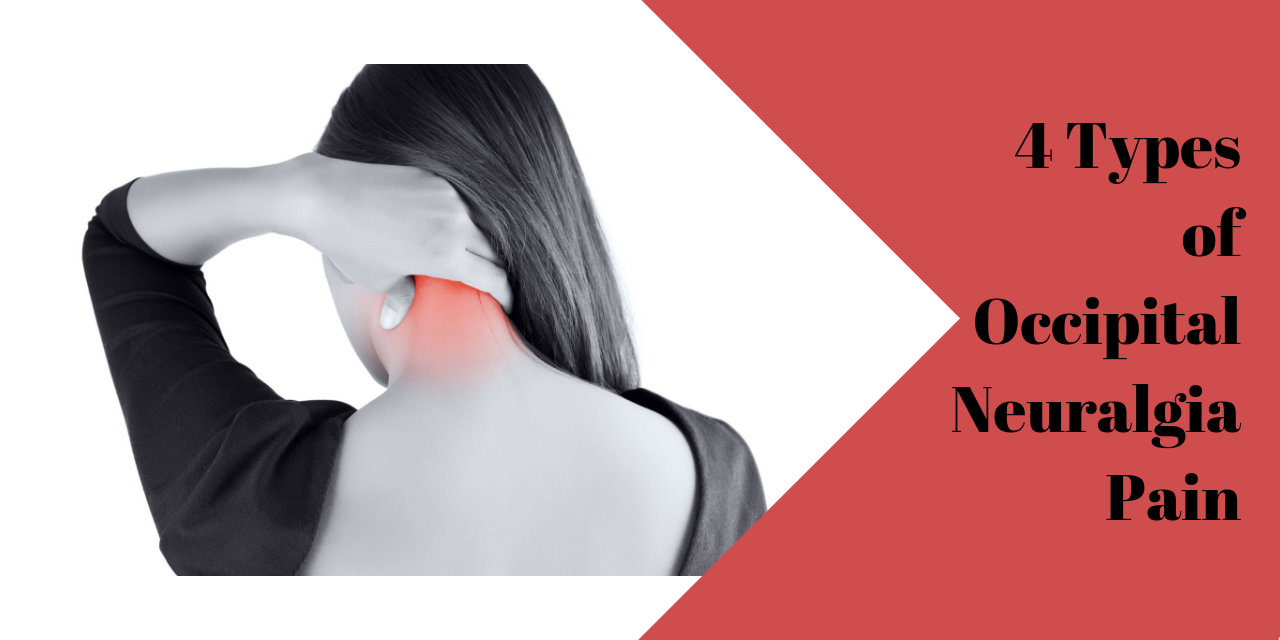
If you have any of these symptoms, contact your doctor for further testing and treatment. Occipital neuralgia also originates in the neck and spread to the head. Occipital neuralgia is caused by irritation of the occipital nerve.
Most migraine specialists recommend this medicine to their patients, which points to its safety and efficacy. Consult your doctor about the appropriate dosage before staring magnesium supplements. Migraines may also be triggered by certain types of light, smell, and/or sounds.
Therefore, the use of ginger as an adjunct to nonsteroidal anti-inflammatory drugs for migraine treatment can be considered. A headache is the sensation of pain, tightness, heaviness, or discomfort in the skull, temples, forehead, and face down to the neck. The extent and intensity of the pain can vary from person to person. There are several home remedies that may help treat headaches. They can also run tests to help rule out health conditions and nutrient deficiencies, such as B12 and iron deficiency, which may cause or worsen headaches . A doctor can help rule out potential underlying causes of your headaches and give you the right care.
This is more prominent in women who complain of a migraine. Practice meditation to help reduce the incidence of headaches. There are eight types of B vitamins, some of which have been found useful in reducing the severity and incidence of headaches. These include riboflavin , folate , cobalamin , and pyridoxine . A clinical trial demonstrated the effective use of ginger for migraine treatment.

This headache can make a person have red eyes, a runny nose, and congestion. A cluster headache is a sudden, intense headache that can be debilitating. It usually begins near the eyes or temples and affects just one side of the head. These symptoms could be caused by a more serious underlying health condition.
Tension headaches and related neck pain can be even more of a disruption to your daily life if you’re not getting enough sleep. Sleep deprivation can make existing headaches worse or even contribute to them. On the flip side, there’s research suggesting sleeping too much may cause tension headaches or make them worse. For pain relief purposes, cold works by easing inflammation, decreasing blood flow, and reducing muscle spasms. Wrap some ice in a washcloth or thin towel and apply it to the area where you feel pain.
Headaches and neck pain often occur together, and the combination can signal many common problems, including fatigue, migraines, and sinus headaches. This combination can also occur due to serious health issues such as a concussion or meningitis. If you have recurrent headaches with neck pain, you can speak with a healthcare provider to come up with a plan to prevent your symptoms from flaring up. If your headache is caused by other factors like jaw or neck problems, treatment may focus on addressing underlying issues. It may involve a combination of exercise, physical therapy, medications, cold/heat therapy, or rest.
The magnesium sulfate in Epsom salt works as a natural muscle relaxant that helps reduce swelling and pain. You can suffer from neck pain for a variety of reasons. You can use turmeric as a natural remedy in the list of top 17 effective home remedies for neck pain.
If your headache and/or neck pain occurs frequently or worsens over time, consult a doctor for an accurate diagnosis. A doctor can help formulate a treatment plan, which may also include medications. If you start getting a headache, steer clear of all devices including your phone, laptop and TV. Eat healthy, and at regular intervals since a drop in blood sugar can set the stage for headaches. At least thrice a week, if not more, spend 30 minutes exercising. An Epsom salt bath can help relieve muscle tension, reduce stress and give you instant pain relief.
Table of Content
Truth be known, the connection is to sleep and night combined. The unexpected attack fits this picture, and fear and anxiety are, in some cases seen right before the fit. Silica, having both withdrawals leading to convulsions and “conditions from vaccination” in its effect, is quite helpful while convulsions are vaccine induced. A tumor on the brain, for example, cannot be treated with a change to the diet.

In the process of determining whether or not your dog has epilepsy, the vet will perform a battery of tests, including x-rays and a comprehensive blood panel . My vet thinks it is a form of seizure, but we are not sure. He has “floaters” in one eye and she also thought that might be the cause. I think that I might try the flax seed to see if that might help solve the problem as some days he does it several times in one day and then he doesn’t do it for a week or so. In owning a pet store, and now a cat and dog rescue, I have come into contact with many people who’s pets have had seizures, but I never had any suggestions or advice for them. I love that you are into natural and preventative alternatives to conventional medicines.
Moving to a new state like Iowa or traveling to any unknown place can be quite a hassle for pet owners. As tempting as the idea of natural treatments may seem to some, not all of them are safe or efficient. Veterinarians who have received special training in this field use acupuncture or acupressure as complementary medicines. This sort of therapy will aid in the prevention and shortening of future epileptic episodes. Some herbs that are great for dogs are chamomile, skullcap, and valerian.

Following an episode, the animal will generally be exhausted. It may therefore appear disoriented, have difficulty moving, and may even become temporarily blind. Read on and you will find all the tools you need to learn about what to do if your dog has seizures.
Your dog’s veterinarian is the best person to consult about this option. If the vet has a poor prognosis, euthanasia might be the way to go. Vets usually prescribe an anticonvulsant medication for a seizure disorder. However, if your dog is experiencing recurrent seizures, a different medication is needed. How do you distinguish healthy dog gums from unhealthy ones?

You can do this by using a camera, such as a Petcube interactive pet camera. Cluster seizures in dogs are considered to be a medical emergency. If your dog has more than two or three seizures within 24 hours, you should seek medical attention urgently. Out of all of the different neurological problems that dogs are taken to vets with, seizures are the most common. These are the classic seizures where the animal has generalized convulsions all over the body, its limbs stiffen and it loses consciousness. Often the animal will urinate or defecate during this type of attack.
He normally doesn’t want to eat the honey, so I just put it on his foot and he licks it clean. The age at which the seizure starts will give you a fairly good idea as to the underlying cause. For pets less than 1 year old, most are caused by brain infections (i.e. meningitis); some dogs though will develop epilepsy as puppies. For pets between the ages of 1-5, the most common diagnosis and seizure cause is epilepsy. If your pet has his first seizure over the age of 5, the most common cause is a brain tumor. The elimination of toxic and seizure-inducing foods from a dog’s diet is the surest method of preventing seizures.

The benefit of ice cream resides in the fact that ice cream has fat which prevents the sugar from being absorbed too quickly causing a ''sugar rush''. The choice of Haagen Dasz is because it is free of preservatives and thus, safer for dogs prone to seizures. Some other metabolic ailments head, such as thyroid problems may also trigger seizures. Strangely enough, in one research study, 70 % of medically hypothyroid pet dogs had a history of convulsions. Plant poisoning, mercury poisoning, and lead poisoning may all cause seizures in your dog.
With support from your vet, it is possible to identify the right treatment plan to help your dog get through the effects of epilepsy and seizures. If your dog suffers seizures get a bottle, stop the meds and treat with CBD and you’ll be amazed at its effectiveness without the side effects and expense of vet meds. Also, an excellent ‘dog treat’ complimentary supplement to feed alongside the CBD is bacon flavored soft chews. They contain many natural ingredients discussed including CBD to aid pain free movement from arthritis and to control seizures with universally excellent feedback.
We know his parents and a couple of his siblings and none have shown any sign of this. Just curious if there is something I need to be doing before I commit to taking him to the vet. You should now have a good understanding of seizures in dogs, and the classification of grand mal or localized. Most causes of seizures are unknown; they are then called epilepsy. If you have a seizuring dog, I encourage you to try some of the holistic options in conjunction with your veterinarian.
In this article I’ll try to help you solve that problem, so that your dog can still enjoy his toys in a safer way. There are many games and exercises that can contribute to the fitness of your pets. These activities will not only make them fit, but will also bring an excitement in both of yours lives. Not many owners are aware of the fact that just as in humans, dogs respond to the application of pressure.
These statements have not been evaluated by the FDA and the products here are not intended to diagnose, treat or cure any disease. Always check with your physician before starting a new dietary supplement program. I really wish I had access to your information a year earlier, but now I know. I lost my beloved girl to one of the most horrible ordeals of my life and I pray I never have to go through it again. Not only did she have the seizures, but she started vomiting, it went downhill after that.
These include Labrador Retrievers, Cocker Spaniels, Beagles, Dachshunds, Irish Setters, Irish Wolfhounds, and Border Collies, to name but a few. The type, cause, and trigger all play important factors in what a seizure will actually look like. Not all seizures involve your pet dropping to the floor and convulsing. Understanding doggy seizures – what causes them, what triggers them, and how to stop or prevent them – will help you to better assist your pampered pooch in their time of need.

Are dentists closed in Washington state? It's a question that many people in the state are asking. With the ongoing pandemic and the various restrictions in place, it can be difficult to know what services are available and which ones are not. In this article, we will explore the current situation regarding dental services in Washington state and provide some insights into what you can expect.
One of the biggest pain points related to the closure of dentists in Washington state is the limited access to essential dental care. Routine check-ups, cleanings, and preventive treatments are important for maintaining good oral health, and the closure of dental offices has made it challenging for many individuals to receive these services. Additionally, people who are experiencing dental pain or emergencies may find it difficult to get timely treatment.
So, are dentists closed in Washington state? The answer is no, but there are some restrictions in place. Dental offices are allowed to operate, but they must adhere to strict safety protocols to protect both patients and staff. These protocols include enhanced cleaning and disinfection procedures, the use of personal protective equipment, and the implementation of social distancing measures.
In summary, while dentists in Washington state are not closed, the pandemic has certainly had an impact on the availability of dental services. It's important to check with your dentist or dental clinic for the most up-to-date information on their operating hours and services. Now, let's dive deeper into the topic of dentists in Washington state and explore different aspects of the situation.
As mentioned earlier, dental offices in Washington state are open, but with certain restrictions in place. These restrictions are in line with the guidelines provided by the Washington State Department of Health and the Centers for Disease Control and Prevention (CDC). The purpose of these restrictions is to minimize the risk of COVID-19 transmission and ensure the safety of both patients and dental staff.
Personally, I had an appointment with my dentist last month, and I was impressed by the measures they had implemented to create a safe environment. Before entering the office, I had to complete a health screening questionnaire and have my temperature checked. Inside the office, everyone was wearing masks, and there were hand sanitizing stations throughout the facility. The waiting area was rearranged to allow for social distancing, and the dental chairs were regularly sanitized between patients. Overall, I felt comfortable and reassured that my safety was a top priority.
Now, let's take a closer look at the history and myths surrounding the closure of dentists in Washington state.
Throughout history, dental care has always been considered essential. Even during times of war or economic crises, dental services have remained available to the public. However, the COVID-19 pandemic presented a unique challenge, and many dental offices around the world had to temporarily close or limit their services to emergency treatments only. This was done to comply with government regulations and protect public health.
Some myths surrounding the closure of dentists in Washington state include the belief that dental offices are closed indefinitely or that dental care is not a priority during the pandemic. These myths can lead to misinformation and unnecessary delays in seeking dental treatment. It's important to stay informed and consult with your dentist to determine the best course of action for your oral health needs.
Now, let's uncover the hidden secrets of the closure of dentists in Washington state.
One of the hidden secrets of the closure of dentists in Washington state is the impact it has had on vulnerable populations. Many individuals who rely on public or low-cost dental clinics for their oral healthcare have been significantly affected. These clinics have faced challenges in providing services due to limited resources and increased demand. As a result, people with limited access to dental care may experience delayed treatments and a decline in their oral health.
Another hidden secret is the long-term consequences of delayed dental treatments. Routine check-ups and preventive treatments play a crucial role in maintaining oral health and preventing the progression of dental problems. When these services are delayed or neglected, minor issues can escalate into more complex and costly treatments in the future. It's important to prioritize your oral health and seek timely dental care when needed.
Now, let's move on to the recommendations for navigating the closure of dentists in Washington state.
During this challenging time, there are several recommendations that can help you navigate the closure of dentists in Washington state. First and foremost, stay informed and up-to-date on the latest guidelines and regulations provided by the Washington State Department of Health and the CDC. These organizations regularly update their recommendations based on the evolving situation.
Secondly, maintain good oral hygiene practices at home. Brush your teeth at least twice a day, floss regularly, and use mouthwash to keep your mouth clean and healthy. These simple habits can go a long way in preventing dental problems and maintaining good oral health.
Thirdly, if you are experiencing dental pain or have a dental emergency, don't hesitate to seek immediate treatment. Many dental offices in Washington state have emergency protocols in place and are ready to provide prompt care when needed.
Lastly, consider tele-dentistry as an alternative option. Tele-dentistry involves virtual consultations with dentists, where they can assess your oral health concerns and provide guidance or prescriptions if necessary. This can be a convenient and safe way to address minor issues or seek professional advice without physically visiting a dental office.
The closure of dentists in Washington state has had a significant impact on individuals and communities. The limited access to dental care has affected people's oral health and well-being. Routine check-ups and preventive treatments have been delayed, and individuals with dental pain or emergencies may struggle to get timely treatment. It's important to recognize the impact of these closures and prioritize oral health.
Here are some tips to help you navigate the closure of dentists in Washington state:
By following these tips, you can take care of your oral health and minimize the impact of the closure of dentists in Washington state.
Q: Are all dental services currently available in Washington state?
A: No, dental offices are open but with some restrictions. Non-essential procedures may be postponed or limited to comply with safety protocols.
Q: How can I find a dental office that is open in Washington state?
A: Contact your dentist or dental clinic directly to inquire about their operating hours and available services. They will be able to provide you with the most up-to-date information.
Q: What should I do if I have a dental emergency during the closure?
A: If you have a dental emergency, such as severe pain or a broken tooth, contact your dentist immediately. They will provide guidance on how to proceed and may be able to schedule an emergency appointment.
Q: Can I receive routine dental check-ups and cleanings during the closure?
A: Dental offices in Washington state are allowed to provide routine check-ups and cleanings, but they may have limited availability. Contact your dentist to schedule an appointment and inquire about their specific protocols.
In conclusion, while dentists in Washington state are not closed, there are restrictions in place due to the ongoing pandemic. Dental offices are open, but they must adhere to strict safety protocols to protect patients and staff. It's important to stay informed and consult with your dentist for the most up-to-date information on available services. Prioritizing oral health and seeking timely treatment for dental emergencies is crucial during this time. By following recommended guidelines and maintaining good oral hygiene practices, you can navigate the closure of dentists in Washington state and ensure the health of your smile.
Are you wondering how long a dentist cleaning takes? Whether you're a regular at the dentist or it's been a while since your last visit, the amount of time it takes for a dental cleaning can vary. In this article, we'll explore the factors that determine the length of a dental cleaning and provide you with helpful tips and information.
When it comes to dental cleanings, one of the main concerns for many people is the amount of time it takes. Nobody wants to spend hours at the dentist's office, especially if they have a busy schedule. Additionally, some individuals may have dental anxiety and want to minimize their time in the dental chair. Understanding how long a dental cleaning typically takes can alleviate some of these concerns.
The duration of a dental cleaning depends on several factors, including the individual's oral health, the presence of any dental issues, and the thoroughness of the cleaning. On average, a routine dental cleaning can take anywhere from 30 minutes to an hour. However, if there are more extensive dental issues or if it has been a long time since the last cleaning, the appointment may take longer.
In summary, the length of a dental cleaning can vary depending on the individual's oral health and the extent of the cleaning required. On average, a dental cleaning can take anywhere from 30 minutes to an hour. However, it's essential to remember that each person's situation is unique, and the dentist will provide a more accurate estimate based on the individual's needs.
During my recent dental cleaning, I arrived at the dentist's office feeling a bit anxious. I hadn't been to the dentist in over a year, and I was worried about the condition of my teeth. However, my fears were quickly put to rest when the dental hygienist greeted me with a friendly smile and reassured me that everything would be fine.
The cleaning process began with a thorough examination of my teeth and gums. The hygienist used a small mirror and a dental probe to check for any signs of decay or gum disease. She also measured the depth of my gum pockets to assess the health of my gums. Thankfully, there were no significant issues, and she proceeded with the cleaning.
First, the hygienist used a scaler to remove any plaque and tartar buildup from my teeth. This process took some time, especially in areas where the buildup was more extensive. She was gentle but thorough, ensuring that every surface of my teeth was cleaned.
Once the scaling was complete, the hygienist used a high-powered electric toothbrush and gritty toothpaste to polish my teeth. This step gave my teeth a smooth and shiny appearance. It was a bit uncomfortable at times, but the hygienist was mindful of my comfort and made adjustments as needed.
After the polishing, the hygienist flossed my teeth and applied a fluoride treatment to strengthen the enamel. She also provided me with tips for maintaining good oral hygiene at home and recommended a follow-up appointment in six months.
Overall, my dental cleaning took about 45 minutes. The time flew by quickly, thanks to the friendly and professional demeanor of the dental team. I left the office feeling refreshed and confident in my oral health.
Now that we've explored a personal experience with a dental cleaning, let's dive deeper into the process itself. A dental cleaning, also known as a prophylaxis, involves several steps to ensure the removal of plaque, tartar, and stains from the teeth.
The first step in a dental cleaning is the examination. The dentist or dental hygienist will evaluate the overall oral health, checking for any signs of tooth decay, gum disease, or other issues. This step helps determine the extent of the cleaning required.
Next, the hygienist will use a scaler to remove plaque and tartar buildup from the teeth. Plaque is a sticky film that forms on the teeth and contains bacteria. If not removed, it can harden into tartar, which is more difficult to remove and can contribute to gum disease.
Once the scaling is complete, the hygienist will use a high-powered electric toothbrush and gritty toothpaste to polish the teeth. This step helps remove surface stains and gives the teeth a smooth and shiny appearance.
After polishing, the hygienist will floss the teeth to remove any remaining debris and ensure thorough cleaning between the teeth. They may also recommend a fluoride treatment to strengthen the tooth enamel and protect against tooth decay.
Throughout the cleaning process, the dental team will provide guidance on proper oral hygiene techniques and recommend any necessary follow-up treatments or appointments.
The history of dental cleaning can be traced back to ancient civilizations, where various methods were used to clean and maintain oral health. In ancient Egypt, for example, a mixture of crushed eggshells and pumice was used as a toothpaste. In ancient Greece, toothpicks made from bone or wood were used to remove plaque and food debris from the teeth.
Over time, dental cleaning techniques and tools have evolved. The invention of the toothbrush in the 15th century revolutionized oral hygiene practices. In the 18th century, dentists began using scaling instruments to remove tartar from the teeth.
As for the myth surrounding dental cleaning time, some people believe that longer cleaning sessions equate to a better cleaning. However, the duration of a dental cleaning is not necessarily indicative of its quality. A skilled dental professional can efficiently clean the teeth and gums in a shorter amount of time, while still providing a thorough cleaning.
The hidden secret of dental cleaning time is that it can vary depending on the individual's oral health and the thoroughness of the cleaning required. Some people may have minimal plaque and tartar buildup, resulting in a shorter cleaning time. Others may require more extensive cleaning due to significant buildup or dental issues, leading to a longer cleaning session.
Additionally, the length of a dental cleaning can be influenced by the individual's cooperation and comfort level during the procedure. If a patient is anxious or has difficulty sitting still, the cleaning process may take longer.
It's important to remember that dental cleaning time is not meant to be a competition or a measure of one's oral hygiene habits. The goal of a dental cleaning is to remove plaque, tartar, and stains from the teeth, promote oral health, and prevent dental issues.
Based on the average duration of a dental cleaning and personal experiences, it is recommended to allocate approximately 1 hour for a routine dental cleaning appointment. This timeframe allows the dental team to perform a thorough cleaning, address any concerns or questions, and provide oral hygiene recommendations.
However, it's essential to communicate with your dental provider and discuss your specific needs. If you have dental anxiety or require additional dental treatments, it may be beneficial to schedule a longer appointment or split the cleaning into multiple sessions.
Remember that oral health is an investment in your overall well-being, and regular dental cleanings play a vital role in maintaining a healthy smile.
When it comes to dental cleaning time, it's important to understand that each individual's needs may vary. Factors such as the presence of dental issues, the extent of plaque and tartar buildup, and the thoroughness of the cleaning required can all affect the duration of a dental cleaning.
For individuals with excellent oral hygiene habits and minimal dental issues, a dental cleaning may take closer to 30 minutes. However, for those who have not had regular cleanings or have significant plaque and tartar buildup, the cleaning process may take closer to an hour or longer.
During a dental cleaning, the dental hygienist will use various tools and techniques to remove plaque, tartar, and stains from the teeth. This process involves scaling the teeth to remove hardened plaque and tartar, polishing the teeth to remove surface stains, and flossing to ensure thorough cleaning between the teeth.
Regular dental cleanings are essential for maintaining good oral health and preventing dental issues such as tooth decay and gum disease. The frequency of dental cleanings will depend on the individual's oral health and the recommendation of the dental provider.
If you want to make the most of your dental cleaning time, here are some tips to consider:
By following these tips, you can ensure that your dental cleaning time is efficient and effective in promoting your oral health.
Is Cruising Safe in 2021? Find Out the Truth!
If you're considering going on a cruise in 2021, you might be wondering if it's really safe. With the ongoing pandemic and the many restrictions in place, it's natural to have concerns about your health and safety while on a cruise ship. In this article, we'll explore the topic of cruising safety in 2021 and provide you with all the information you need to make an informed decision.
The answer to the question "Is Cruising Safe in 2021?" is not a simple yes or no. It depends on several factors, including the cruise line's safety protocols, the destination's COVID-19 situation, and your own personal health. While cruise lines have implemented strict health and safety measures to mitigate the risk of COVID-19, there is still a possibility of transmission onboard.
In summary, cruising can be safe in 2021 if you take the necessary precautions and choose a cruise line that prioritizes passenger safety. It's important to do your research, stay informed about the latest travel advisories, and follow the guidelines provided by the cruise line and local authorities.
Last year, I decided to go on a cruise during the pandemic. I was initially hesitant, but after researching the safety measures implemented by the cruise line and consulting with my doctor, I felt confident in my decision. The cruise line required all passengers to provide proof of a negative COVID-19 test before boarding and implemented enhanced cleaning and sanitization protocols throughout the ship. Additionally, the ship operated at reduced capacity to allow for social distancing. During my time onboard, I felt safe and reassured by the measures in place.
However, it's important to note that my experience may not be the same for everyone. Each cruise line and destination may have different safety protocols in place, and the COVID-19 situation can change rapidly. It's crucial to stay updated on the latest information and make an informed decision based on your own circumstances.
Before deciding whether cruising is safe for you in 2021, it's essential to understand the risks involved. While cruise lines have implemented various safety measures, there is still a possibility of COVID-19 transmission onboard. The close quarters and shared spaces on a cruise ship can make it challenging to maintain social distancing at all times. Additionally, the risk of exposure may be higher in certain destinations with a high number of COVID-19 cases.
It's also crucial to consider your own health and any pre-existing conditions that may put you at a higher risk of severe illness from COVID-19. It's recommended to consult with your healthcare provider before making any travel plans, especially if you have underlying health conditions.
There are several myths and misconceptions surrounding the safety of cruising in 2021. One common myth is that cruise ships are hotspots for COVID-19 outbreaks. While there have been reported cases of COVID-19 on cruise ships, the industry has taken significant steps to enhance safety and prevent the spread of the virus. The implementation of rigorous testing, enhanced cleaning protocols, and reduced capacity has helped mitigate the risk of outbreaks onboard.
Another myth is that you will be confined to your cabin for the entire duration of the cruise. While there may be restrictions and guidelines in place, such as wearing masks in certain areas and practicing social distancing, cruise ships offer a range of activities and amenities for passengers to enjoy while maintaining safety.
One hidden secret of cruising in 2021 is the flexibility and reassurance offered by cruise lines. Many cruise lines have implemented flexible booking and cancellation policies to provide peace of mind to passengers. In the event of unforeseen circumstances or changes in travel advisories, you can often reschedule or cancel your cruise without penalty.
Additionally, some cruise lines have partnered with local health authorities to offer on-site testing and medical facilities onboard. This ensures that passengers can receive prompt medical attention if needed and reduces the risk of exposure to local healthcare systems.
If you decide to go on a cruise in 2021, here are some recommendations to ensure your safety:
In conclusion, cruising can be safe in 2021 if you take the necessary precautions and make informed decisions. It's crucial to research the safety measures implemented by the cruise line, stay updated on the latest travel advisories, and consider your own health and circumstances. By following guidelines and practicing good hygiene, you can enjoy a safe and memorable cruise experience.
A: Yes, many cruise lines require passengers to provide proof of a negative COVID-19 test before boarding. This helps ensure the safety of all passengers and crew onboard.
A: Cruise lines have developed comprehensive outbreak response plans to handle COVID-19 cases onboard. These plans include isolation protocols, contact tracing, and enhanced cleaning measures to prevent the spread of the virus.
A: It depends on the cruise line's cancellation policy and the reason for cancellation. Many cruise lines have implemented flexible booking and cancellation policies that allow passengers to reschedule or cancel their cruise without penalty in certain circumstances, such as COVID-19-related travel restrictions.
A: The ability to travel to specific destinations may vary depending on the COVID-19 situation and travel restrictions. It's important to stay updated on the latest travel advisories and guidelines provided by the cruise line and local authorities.
In conclusion, cruising in 2021 can be safe if proper precautions are taken. By choosing a cruise line that prioritizes passenger safety, staying informed about the COVID-19 situation, and following guidelines, you can enjoy a safe and enjoyable cruise experience. Remember to consult with healthcare providers and make informed decisions based on your own circumstances. Happy cruising!
Table Of Content Grip-Tuth 3 1/4" Side Comb Set of 2 Hair Combs Hair Accessories Hair Barrettes Scrunchies Hair Pins & Sticks Weddi...